


-

Add: HeBei ShengShi HongBang Cellulose Technology CO.,LTD.
-

Email
13180486930@163.com -

CONTACT US
+86 13180486930

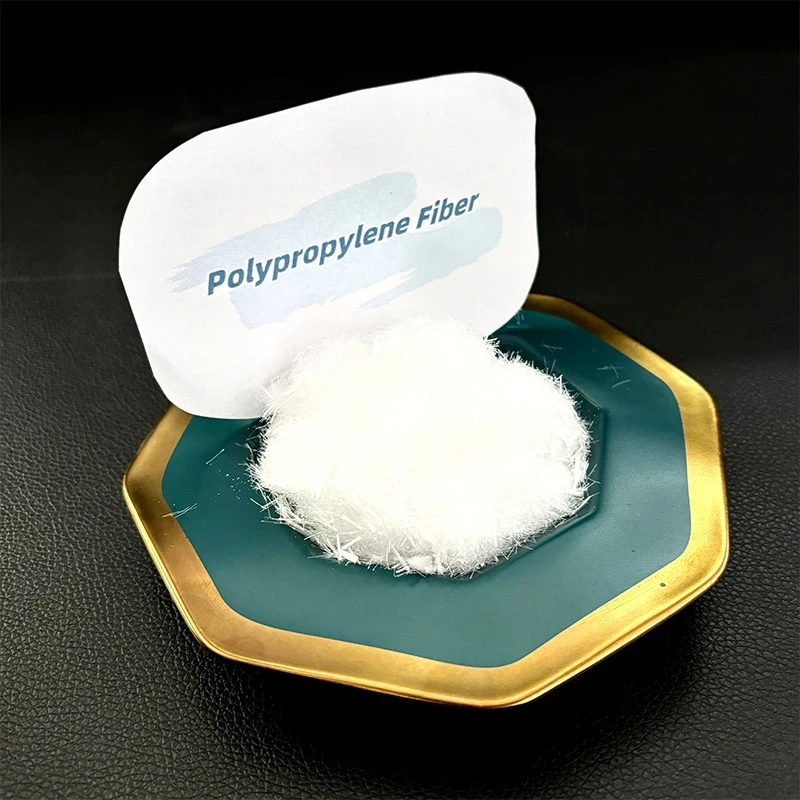
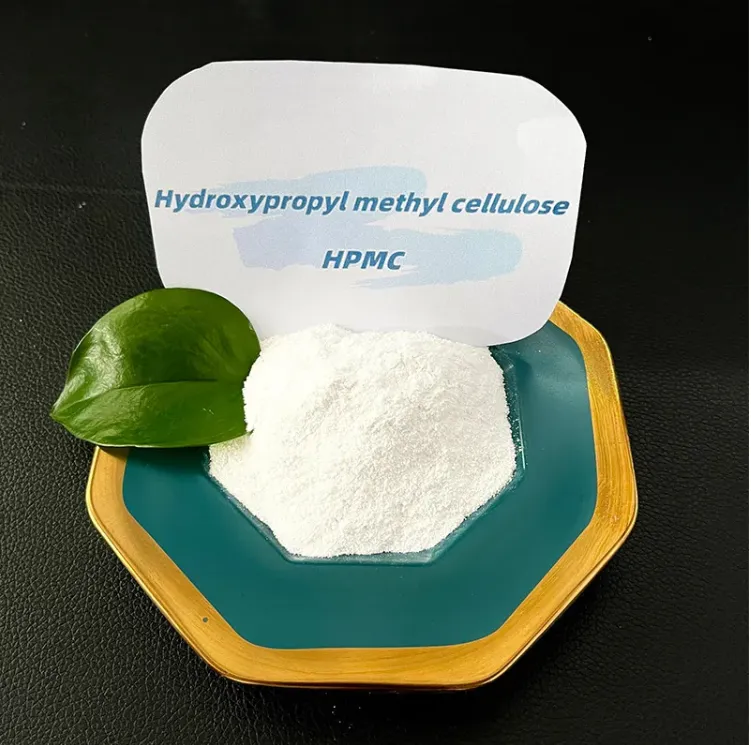
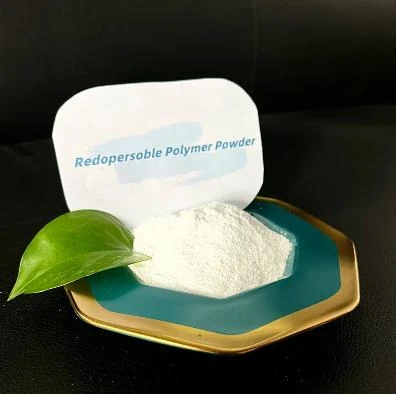


How to Make HPMC Gel A Step-by-Step Guide Hydroxypropyl methylcellulose (HPMC) is a versatile polymer widely used in various applications, including pharmaceuticals, cosmetics, and food products. One of the most common uses of HPMC is to create gels, which can serve as thickening agents, stabilizers, or film-forming agents. In this article, we will provide a detailed guide on how to make HPMC gel, ensuring that you have all the information you need to successfully create your own gel. Materials Needed Before getting started, it’s essential to gather all the materials you will need 1. HPMC Powder Available in various grades, choose one that fits your intended application. 2. Distilled Water Using distilled water ensures that no impurities interfere with the gel formation. 3. Heating Source A hot plate or stovetop for heating the water. 4. Beaker or Container For mixing the ingredients. 5. Stirring Tool A whisk or a magnetic stirrer for thorough mixing. 6. pH Meter or Strips Optional but useful for adjusting the pH if necessary. 7. Preservatives (Optional) If you intend to store the gel for an extended period, consider adding a preservative. Step-by-Step Instructions Step 1 Prepare the Water Start by measuring the amount of distilled water you will need. The quantity of water will depend on the desired concentration of the HPMC gel. Typically, a concentration of 1-3% HPMC is used, but you can adjust it according to your requirements. Pour the measured water into a beaker or container. Step 2 Heat the Water Gently heat the distilled water using your heating source. The temperature should be around 60-70°C (140-158°F), which helps dissolve the HPMC more effectively. Do not bring the water to a boil, as excessive heat might degrade the polymer. Step 3 Mix HPMC with Water how to make hpmc gel Slowly add the HPMC powder to the heated water while continuously stirring. It’s crucial to sprinkle the HPMC powder evenly to prevent clumping. Use a whisk or a magnetic stirrer to create a homogeneous mixture. Continue stirring until the powder is fully dissolved, and the mixture becomes viscous. Step 4 Allow to Cool and Thicken Once the HPMC is fully dissolved, remove the beaker from the heat source and allow the solution to cool. As it cools, the gel will thicken further. This process may take some time, so be patient. You can stir occasionally to ensure even thickening. Step 5 Adjust pH (Optional) If necessary, check the pH of the gel using a pH meter or strips. HPMC gels typically perform best at a neutral pH (around 7). If you find that the pH is too high or low, you can adjust it by adding small amounts of citric acid (to lower pH) or sodium hydroxide (to raise pH). Stir well after each adjustment. Step 6 Add Preservatives (If Needed) If you plan to store the HPMC gel for an extended period, consider adding a preservative to prevent microbial growth. Follow the manufacturer's instructions regarding the appropriate type and quantity of preservative to use. Step 7 Store the Gel Properly Transfer the HPMC gel into an airtight container. Store it in a cool, dry place away from direct sunlight. If stored correctly, HPMC gel can last for several months. Conclusion Creating HPMC gel at home is a straightforward process that involves heating water, dissolving the HPMC powder, and allowing it to cool and thicken. With just a few ingredients and some patience, you can produce a high-quality gel suitable for various applications. Whether you are a hobbyist or a professional, understanding how to make HPMC gel can be a useful skill in your toolkit. Enjoy experimenting with your gel, and don’t hesitate to adjust the formulation to meet your specific needs!
- 40000tons

Production
- 20+years

Experience
- 5000+㎡

Acreage

-
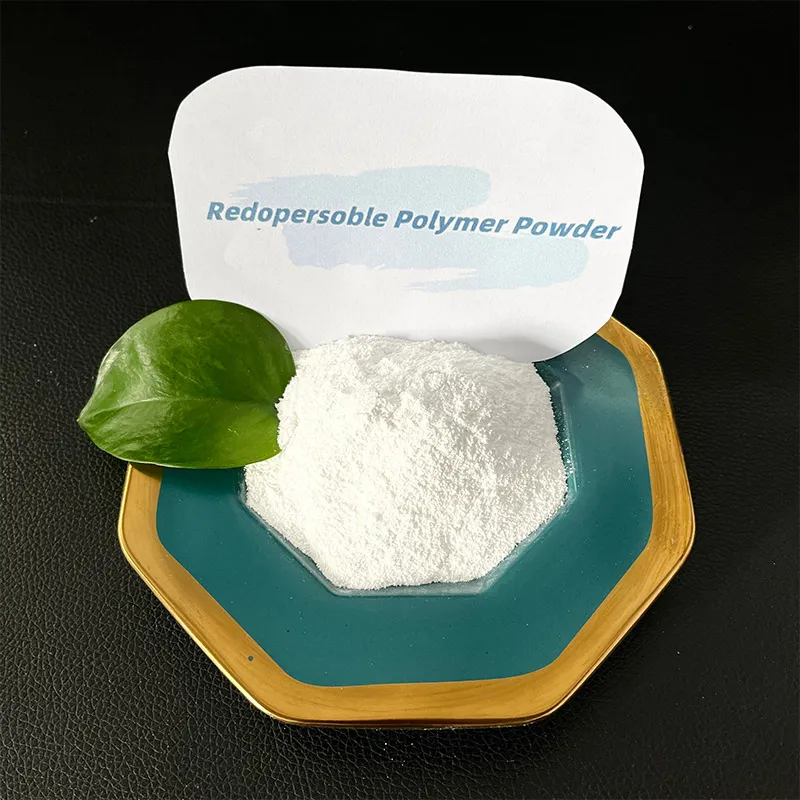
Hydroxypropyl methylcellulose (HPMC) is a versatile cellulose ether that has gained significant traction in various industries, particularly in construction. Its unique properties make it an essential additive in construction materials, enhancing performance and improving the overall quality of building products. This article explores the applications of HPMC in construction, highlighting its benefits and contributions to the industry. What is Hydroxypropyl Methylcellulose? HPMC is a non-ionic, water-soluble polymer derived from cellulose, a natural polymer found in plant cell walls. It is produced through the chemical modification of cellulose, resulting in a compound that exhibits excellent thickening, binding, and film-forming properties. HPMC is available in various grades, each tailored for specific applications, making it a highly adaptable material in construction. Applications of HPMC in Construction Cement-Based Products : One of the primary applications of HPMC in construction is in cement-based products such as mortars, plasters, and tile adhesives. HPMC acts as a thickening agent, improving the workability and consistency of these materials. It enhances the adhesion properties, allowing for better bonding between surfaces, which is crucial for the durability of structures. Water Retention : HPMC is known for its excellent water retention capabilities. In construction, this property is vital for preventing the premature drying of cementitious materials. By retaining moisture, HPMC ensures that the hydration process of cement continues effectively, leading to stronger and more durable concrete. This is particularly important in hot and dry climates where evaporation can compromise the integrity of the mix. Improved Open Time : The open time of a material refers to the period during which it remains workable after application. HPMC extends the open time of mortars and adhesives, allowing construction workers to adjust and reposition tiles or other materials without the risk of the adhesive setting too quickly. This flexibility is essential for achieving precise alignments and finishes in construction projects. Enhanced Flexibility and Strength : The incorporation of HPMC into construction materials can significantly enhance their flexibility and tensile strength. This is particularly beneficial in applications where materials are subjected to stress and movement, such as in flooring systems and wall panels. The improved flexibility helps to reduce the risk of cracking and other forms of damage, contributing to the longevity of the structure. Eco-Friendly Solutions : As the construction industry increasingly shifts towards sustainable practices, HPMC offers an eco-friendly alternative to traditional additives. Being derived from natural cellulose, HPMC is biodegradable and non-toxic, making it a safer choice for both workers and the environment. Its use in construction aligns with the growing demand for green building materials. Compatibility with Other Additives : HPMC is compatible with a wide range of other additives used in construction, such as polymers, pigments, and other cellulose derivatives. This compatibility allows for the formulation of customized products that meet specific performance requirements, making HPMC a valuable component in the development of innovative construction materials. The application of hydroxypropyl methylcellulose in construction is a testament to its versatility and effectiveness as an additive. From improving workability and water retention to enhancing flexibility and strength, HPMC plays a crucial role in the performance of various construction materials. As the industry continues to evolve, the demand for high-quality, sustainable building products will likely drive further innovations in the use of HPMC, solidifying its position as a key ingredient in modern construction practices.
-
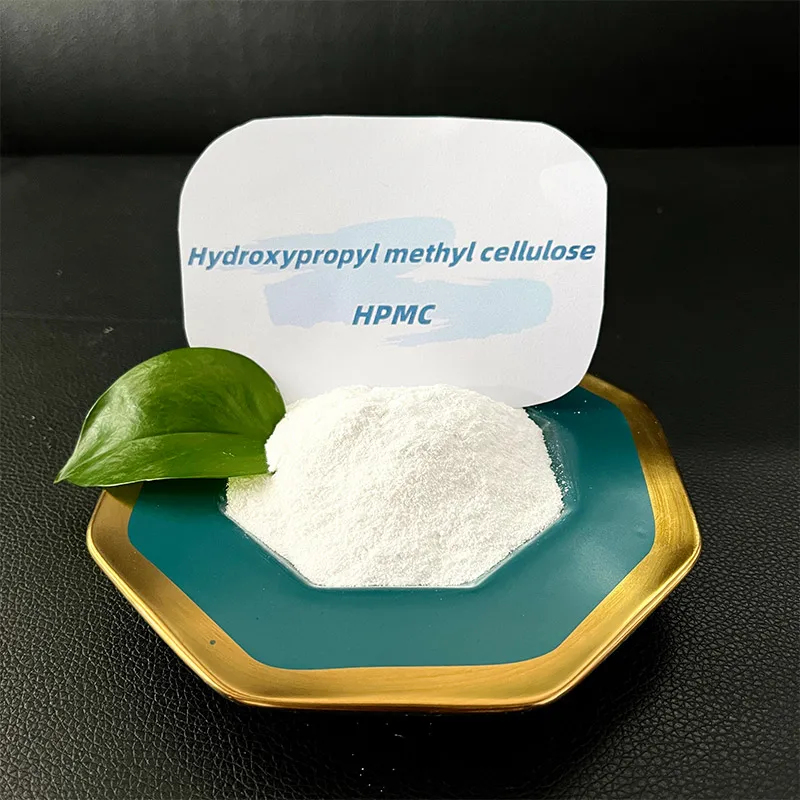
Hydroxypropyl methylcellulose, commonly known by its acronym HPMC, stands as one of the most pivotal assets in the realm of industrial and pharmaceutical innovation. Demonstrating versatility, HPMC is revered for its impressive blend of properties, making it essential for various industries. Understanding HPMC’s breadth of applications provides significant insights for manufacturers and product developers alike. The journey of HPMC begins with its origin as a cellulose derivative, ensuring it's inherently natural yet highly adaptable. Cellulose itself is the most abundant natural polymer, providing HPMC with a sturdy foundation in ecological compatibility. This biocompatibility is a significant factor in its safety profile, making it a top choice among health-conscious industries. In pharmaceuticals , the significance of HPMC cannot be overstated. It serves as a skeleton for tablet formation, offering excellent binding properties and ensuring tablets maintain their integrity during production, packaging, and shelf life. Moreover, its ability to control the release rate of active ingredients revolutionizes the way medications are consumed. Through sustained or controlled-release formulations, patients experience consistent therapeutic effects, enhancing medication efficiency and compliance. The controlled release mechanism is the fruit of expert research and development efforts, propelling HPMC as an authoritative choice for advanced drug delivery systems. The food industry similarly benefits from HPMC's versatility. Acting as a stabilizer, emulsifier, and thickener, it is vital in ensuring food products maintain desirable textures and consistency. Whether in low-fat margarine, whipped toppings, or bakery goods, HPMC is essential for achieving the right mouthfeel and stability that consumers demand. Companies leveraging HPMC can deliver healthier alternatives without compromising on taste or texture, a feat driven by the trust in its properties. Beyond pharmaceuticals and food, HPMC’s role in the construction industry underlines its broad applicability. As a cement modification agent and adhesive, HPMC enhances water retention and workability in mortars and plasters. This contribution is vital in producing durable healthcare and educational facilities, thereby building credible solutions for infrastructural challenges. hpmc meaning The cosmetic sector also reaps the benefits of HPMC, particularly due to its non-toxic nature. In shampoos, conditioners, and lotions, it serves as a thickener and stabilizer. With consumers increasingly seeking transparency and safety in personal care products, the trustworthiness of HPMC as a natural-based product is invaluable. Ensuring the quality and reliability of HPMC involves adherence to rigorous industry standards and continuous innovation. Producers of HPMC are often engaged in ongoing research, spearheading breakthroughs in polymer science which strengthen its applications. This expertise is reflected in the meticulous production process, where quality control is paramount, guaranteeing product consistency and safety for end-users. Educational resources and training for professionals involved in product formulation with HPMC are essential. By equipping industry professionals with comprehensive knowledge regarding HPMC’s functionalities and applications, companies instill a level of trust and authoritative expertise that drives market confidence. Consumer awareness about HPMC’s benefits is equally crucial. Transparency in labeling and clear communication from manufacturers about the role of HPMC in their products can enhance credibility. By sharing real customer experiences and expert endorsements, companies can effectively convey the trustworthiness and indispensable nature of HPMC. In conclusion, HPMC is not merely an additive; it's a cornerstone of modern product development across diverse industries. Its remarkable balance of experience-rooted performance, expert-driven innovations, and trustworthy attributes make it indispensable for manufacturers committed to quality and consumer safety. As industries continue to evolve, the role of HPMC is likely to expand further, solidifying its position as a key player in future advancements. By marrying cutting-edge research with sustainable practices, HPMC remains an essential tool for innovation and efficiency, showcasing its enduring relevance across the global market.
advantages
-

200000 Viscosities
Excellent product
We can produce pure products up to 200,000 viscosities
-

40000 tons
High yield
We don’t stop production all year round, and the annual output can reach 40,000 tons
-

24 hours
Quality service
We provide 24-hours online reception service, welcome to consult at any time
———— Inquiry Form
Schedule A services

-
 hpmc_distributor
Oct . 25, 2025
Hydroxypropyl Methylcellulose (HPMC) is a highly versatile and reliable compound used across various -
 maombi_ya_nyuzi_za_polypropen
Oct . 25, 2025
In the world of industrial applications, particularly in the realm of pharmaceuticals and constructi -
 hpmc_polymer_properties
Oct . 25, 2025
Polypropylene fiber is a versatile, high-performance material that offers a wide range of benefits f


